
The complete guide
How To Choose A Water Filter Jug That Actually Suits Your Kitchen
The problem with tap water you actually notice
For most households on mains water, the issue is not whether the water is drinkable. It is drinkable. The issue is that it tastes of something. A faint swimming-pool note from chlorine, a slightly flat finish, the odd bit of sediment when the mains have been worked on down the road. You notice it most in a plain cold glass, and then again in tea, where the water is three quarters of what you are tasting.
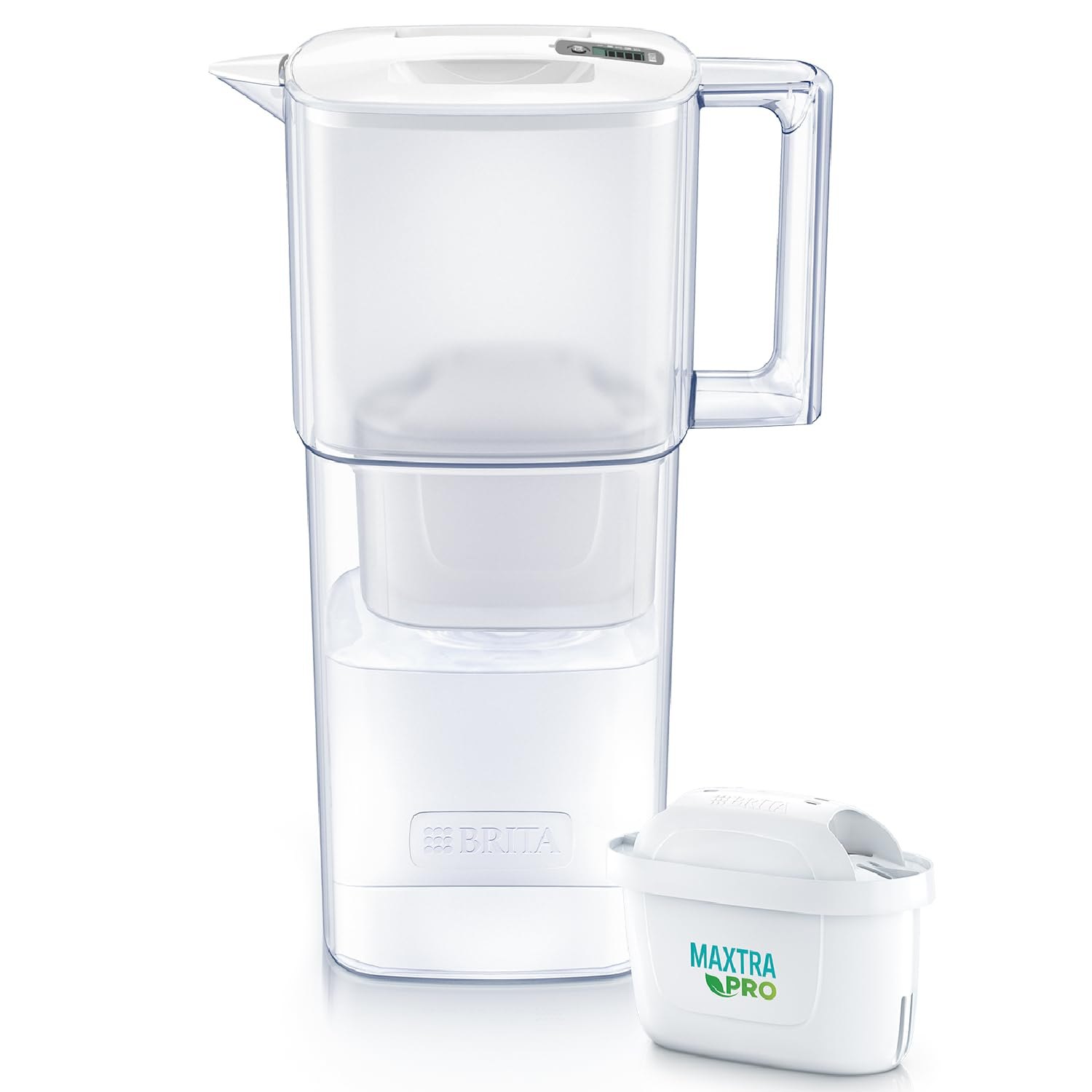
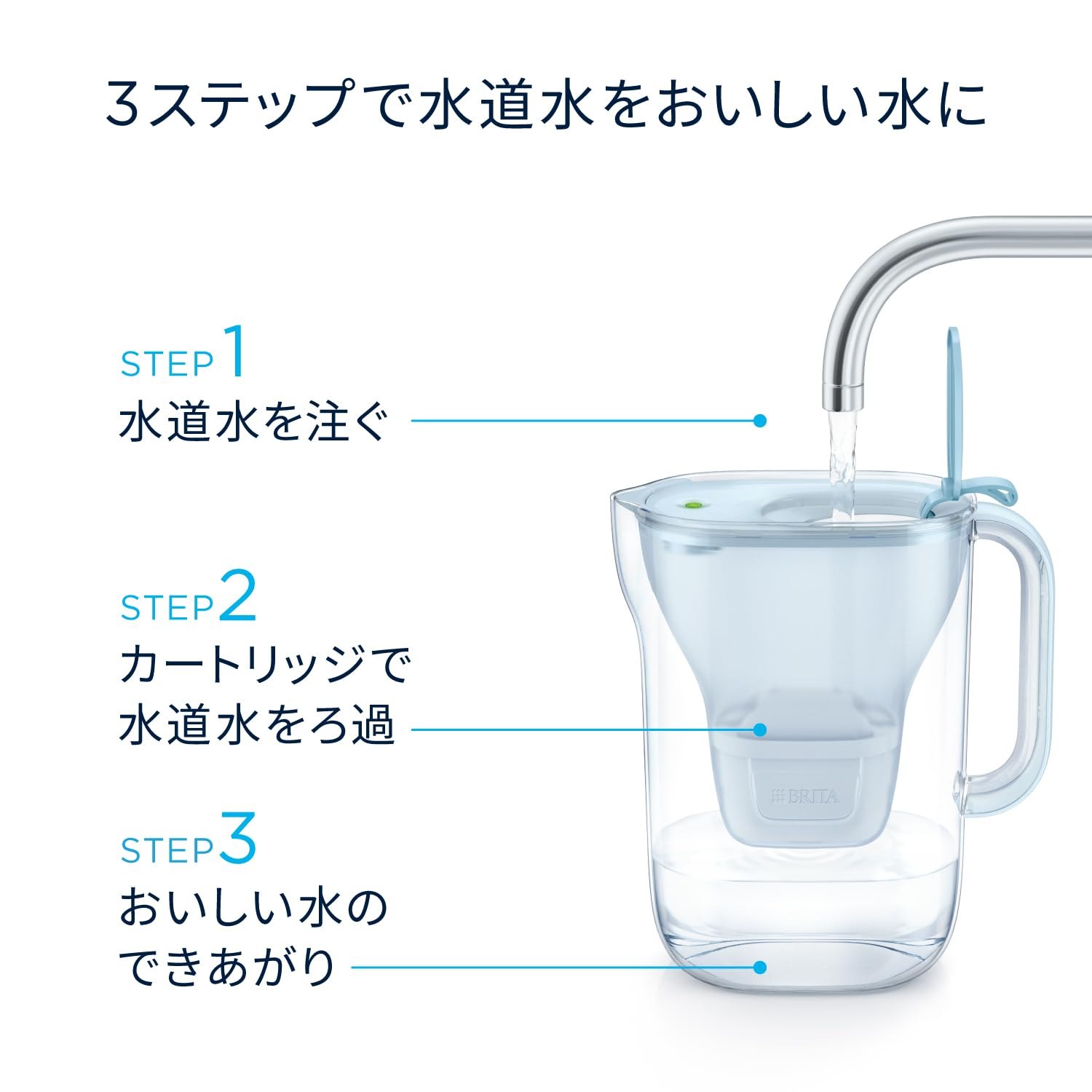
A water filter jug deals with exactly that. It is a simple gravity device: fill the top, water passes through a carbon block cartridge, and it collects in the lower chamber ready to pour. No power point, no plumbing, no tools. That simplicity is the whole appeal, and it is why a jug is still the first filter most people buy.
How a gravity jug filter works
The cartridge in this jug is a carbon block. Water flows through it slowly under its own weight, and the carbon is designed to reduce chlorine taste and odour along with sediment. That is the scope of the job, and it is worth being clear about it. A jug filter is a taste and clarity product for water that is already safe to drink from the tap. It is not a treatment system, and it should only ever be used with drinkable mains (town) water.
Because filtering happens by gravity rather than pressure, it is not instant. A full reservoir takes a few minutes to work through. The habit that solves this is simple: top up the reservoir straight after you pour a glass, so there is always filtered water waiting. This model is rated for water with a TDS level up to 500 ppm, which covers typical town supply.
Why size and shape matter more than people expect
Here is where most jugs disappoint. People buy on capacity, get a wide-bodied jug, and then discover it will not fit the fridge door. So it lives on the worktop, gets warm, gets shuffled behind the kettle, and eventually stops being used.
This jug is built around the opposite priority. It measures about 20.2 cm long, 11 cm wide and 28.4 cm high. The narrow 11 cm width is the number that matters, because that is what decides whether it drops into a fridge door shelf. Chilled water, out of the way, one-handed grab. For small kitchens, that is the difference between a jug you use daily and a jug you resent.
Before ordering, take thirty seconds and measure your door shelf. Check the width, the height of the gap above the shelf, and the depth. If the door is already full of milk and condiments, the countertop option still works, since the installation type is countertop and the jug is designed to stand on its own.
Capacity, and what 1.15 litres really means
Total capacity is 2.2 litres. Filtered water capacity is 1.15 litres. Those are two different numbers and both are useful. The 2.2 litres is the whole unit including the unfiltered reservoir, and the 1.15 litres is what is actually sitting ready to pour in the lower chamber.
In practice, 1.15 litres is about four tall glasses, or enough for a couple of mugs of tea plus a glass each for two people. For one or two people, that is a sensible amount and it refills quickly. For a bigger household, you will refill more often, which is fine as long as whoever empties it is the one who tops it up. That is a house rule, not a product flaw. If you want the best water filter jug for families and you have four or more people drinking from it, expect to fill it several times a day or keep a second jug.
Keeping track of cartridge changes
A filter cartridge does not fail loudly. It just quietly stops doing much, and you carry on drinking water that tastes the way it did before you bought the jug. This is the most common reason people say a filter jug "stopped working".
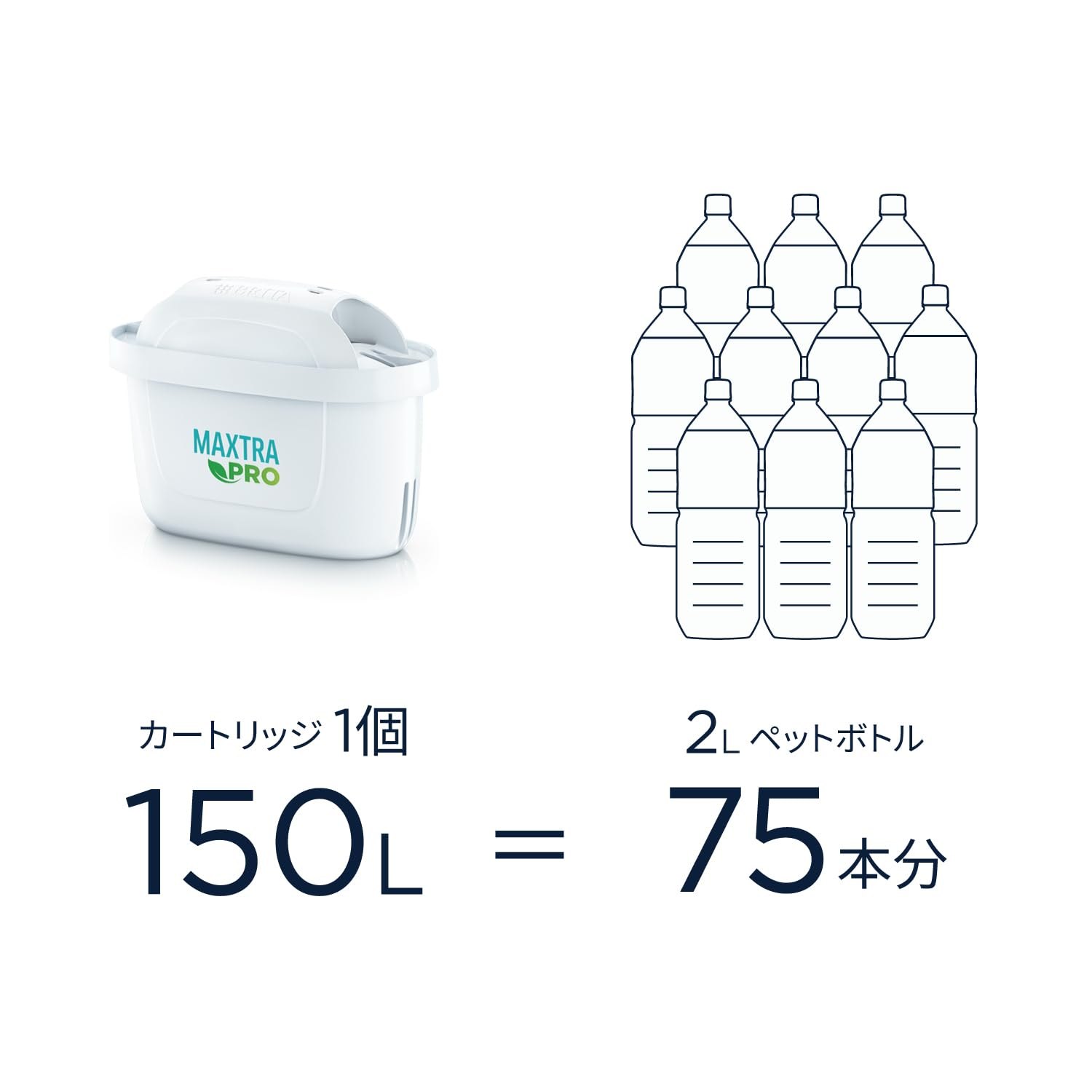
The LCD memo built into the lid is there to prevent that. It tracks how long the current cartridge has been in use and gives you a visual prompt when a change is due. Follow the maker's replacement schedule rather than waiting for a taste change. Buy spare cartridges a little ahead of time so a swap never gets postponed for a shopping trip. If you have ever run a filter past its date, you will know why the reminder is worth having.
One cartridge comes with the jug. Replacements should be the type the maker specifies for this model, so check that before you buy a multipack.
Cleaning and everyday care
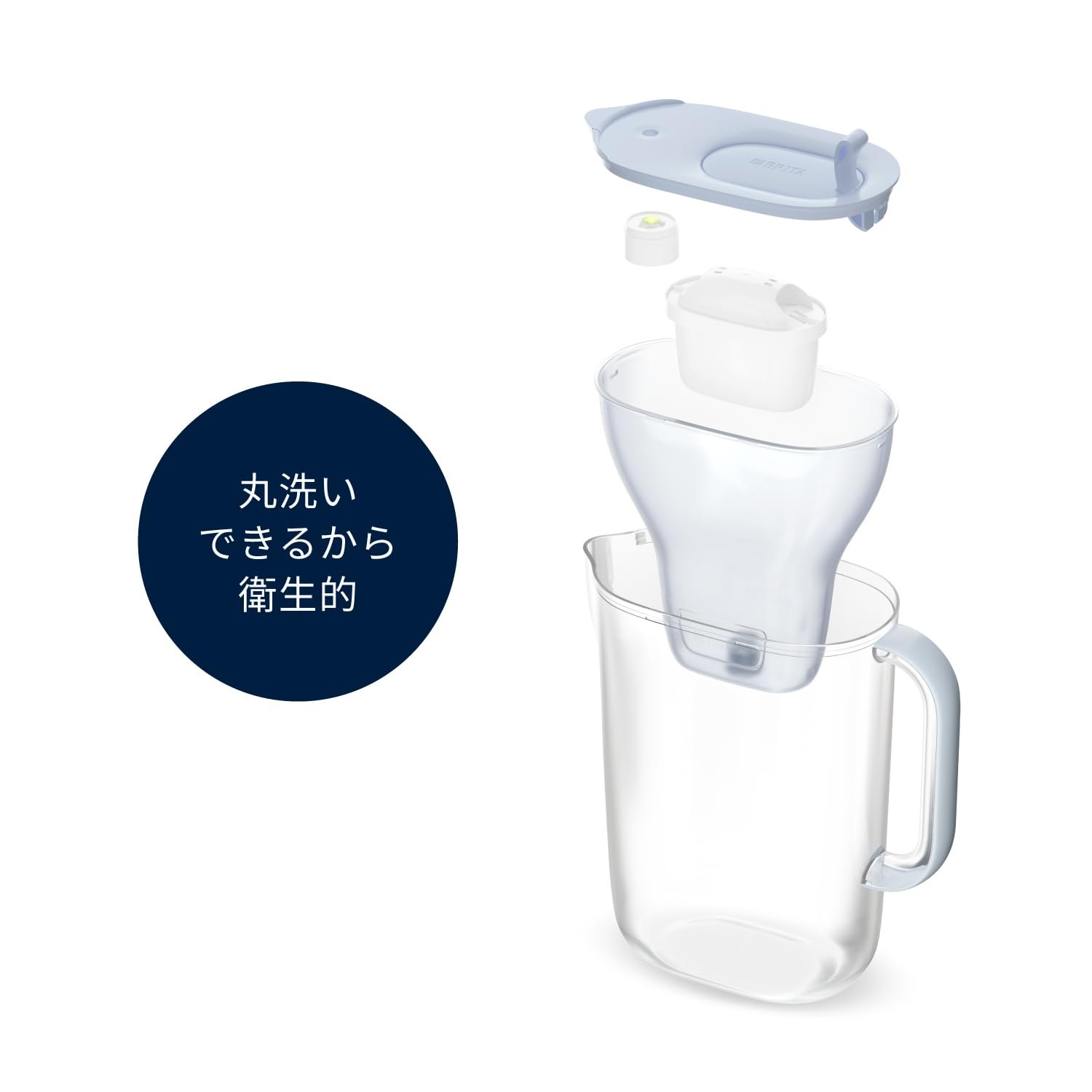
The main unit is fully washable, which is a genuinely useful thing. Lids and reservoirs on jugs of all kinds tend to collect a film over time, especially if the jug lives somewhere warm.
Take the lid and reservoir apart, set the cartridge to one side, and wash the plastic parts in warm water with a little mild washing-up liquid. Rinse properly, let the parts dry, then reassemble with the cartridge back in place. Never wash the cartridge itself and never put it through hot water. Do a wash weekly if you can, and a quick rinse on the days in between.
A few other practical points. Use cold tap water only, never hot or boiling. Keep the jug out of direct sunlight and away from the hob. Store it upright. Avoid scouring pads and strong solvents on the plastic, since scratches give grime somewhere to sit.
Who this suits
A jug like this is the right call for renters, students, small flats, and anyone who does not want to drill into a worktop or mess with a tap connection. It is a strong fit for small offices too, as long as one person owns the cartridge calendar. People in larger homes often keep one in the fridge for drinking water even when they have something plumbed in, simply because chilled filtered water in the door is convenient.
It is less suitable if you need to fill large jugs or a kettle repeatedly in quick succession, or if your household gets through several litres an hour. That is a volume problem, not a quality problem, and a bigger dispenser or a plumbed system is the better answer.
The short version
This is a 2.2 litre manual filter jug with 1.15 litres of filtered capacity, a carbon block cartridge designed to reduce chlorine taste and odour and sediment, and an LCD memo on the lid to keep cartridge changes on schedule. At about 11 cm wide it is shaped for a fridge door, and it works on the counter too.
Measure your fridge door shelf before you order. Use it with drinkable mains water. Change the cartridge when the memo says so. Wash the body regularly. Do those four things and a jug this simple will keep earning its space for years.