
The complete guide
How to Choose a Tap Mounted Water Filter for Your Kitchen
The problem with the tap you already have
Most people are not unhappy with their kitchen tap. They are unhappy with one small part of what comes out of it. Tap water in a city supply is treated with chlorine, and chlorine has a smell and a taste that some people barely register and others cannot ignore. Make a cup of tea with it and the flavour shifts. Fill a glass and leave it on the counter for ten minutes and you notice it more. Then there is sediment, the fine grit that shows up after work on the mains or in older buildings with ageing pipes.
The usual responses are a jug filter in the fridge or bottles from the shop. Both work, in a way. Both are also a small daily chore. The jug runs empty at the worst moment. The bottles need carrying, storing and dealing with afterwards. Neither one changes the thing you actually use fifty times a day, which is the tap.
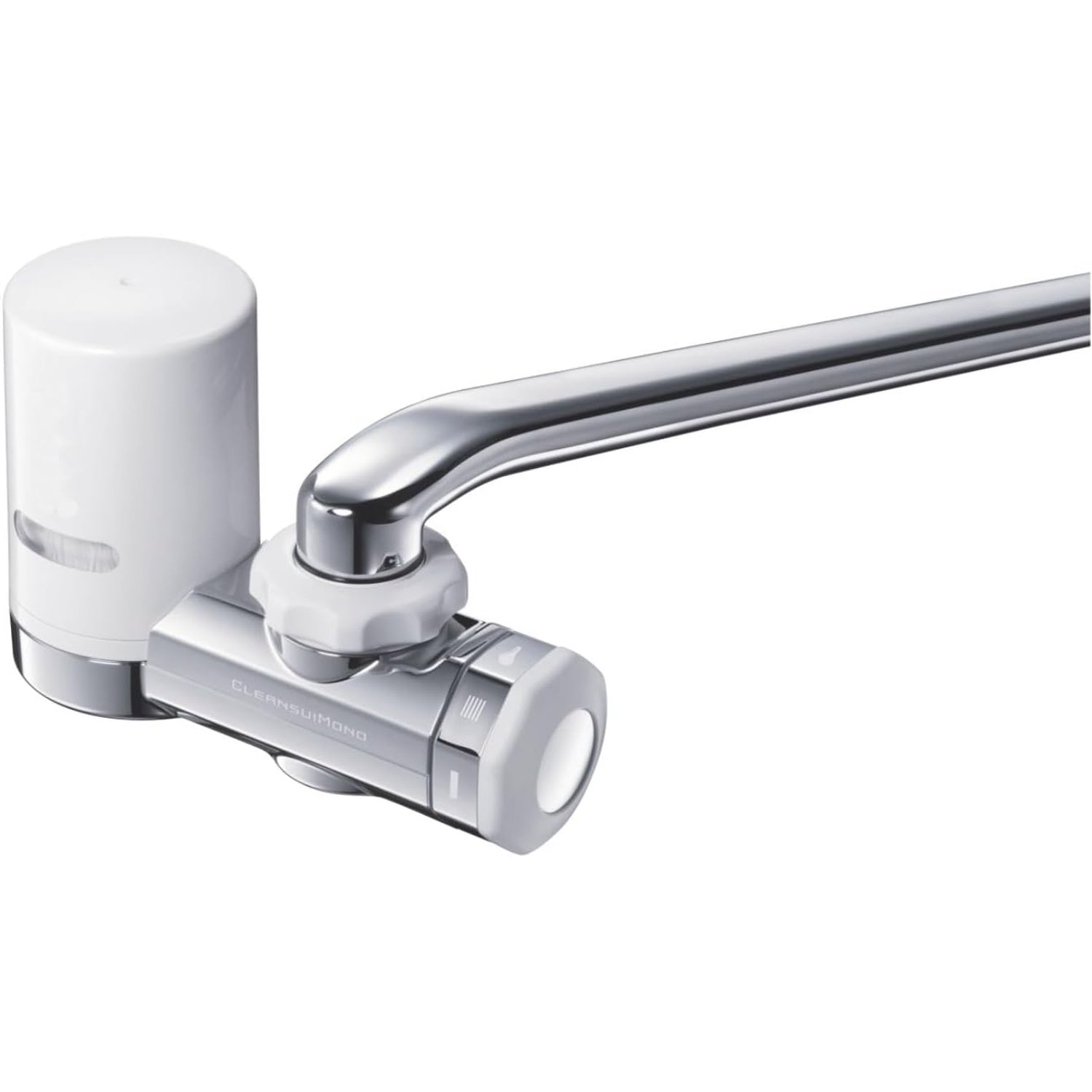
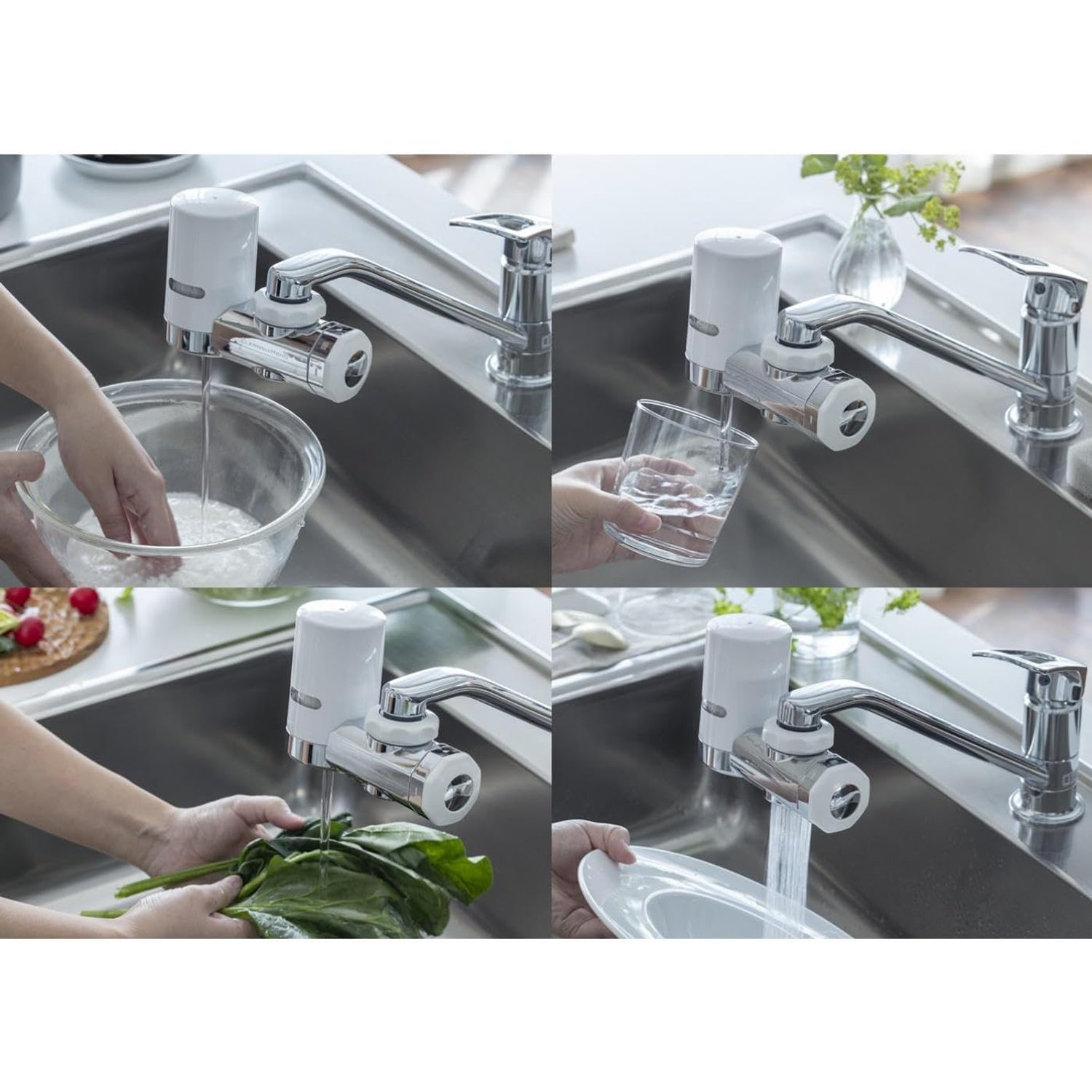
A tap mounted water filter takes a different route. It sits on the spout, so the water you already reach for passes through a filter cartridge on the way out. Nothing new to remember, nothing new to refill. You turn the dial and the water is filtered.
How a tap water filter works
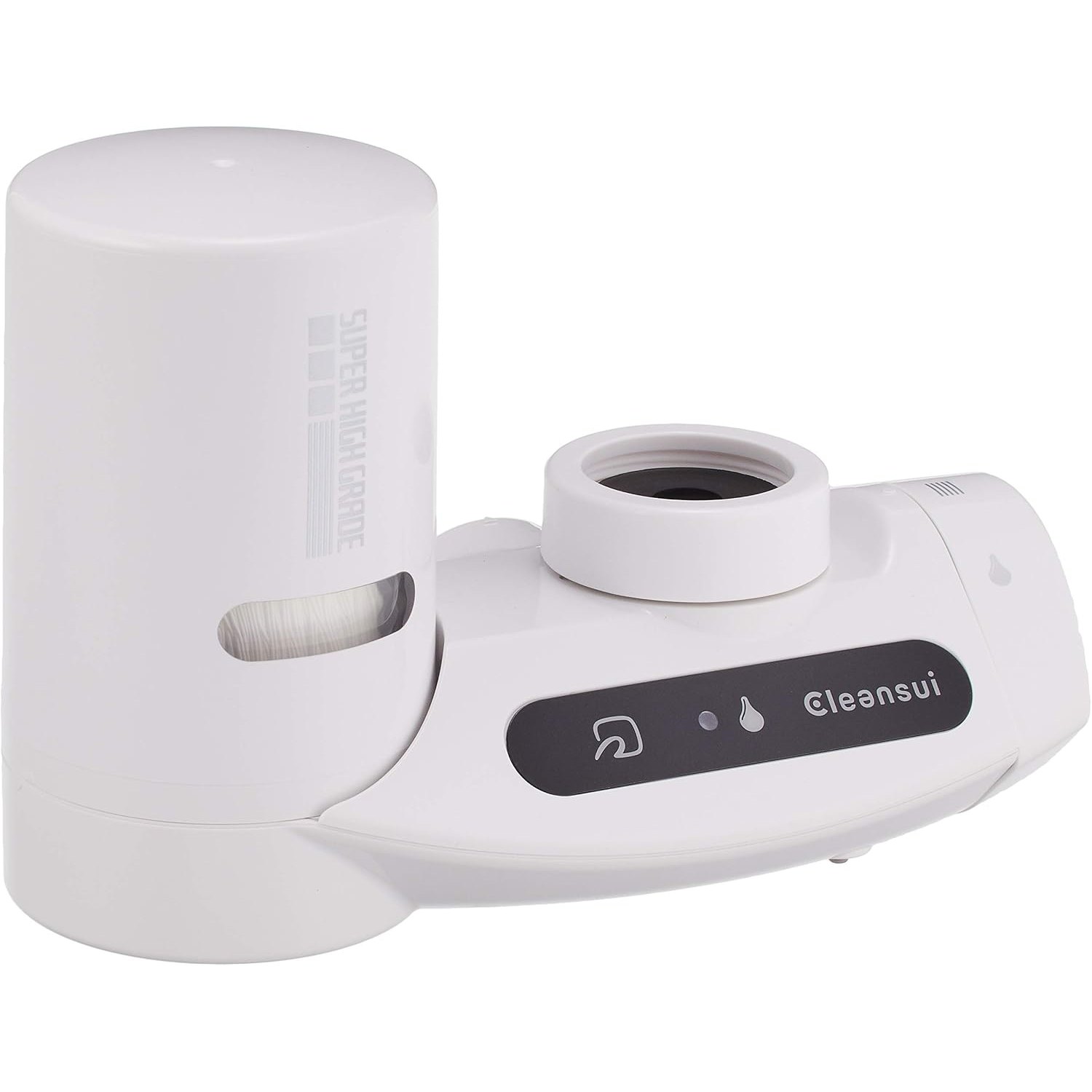
Inside the housing sits a replaceable cartridge, coded MDC01S on this model. The cartridge is where everything happens, and it combines three different materials rather than relying on one.
Activated carbon is the layer most people have heard of. It is a porous material with an enormous internal surface area, and it is the component designed to reduce chlorine taste and odour. This is the part responsible for the difference you notice in a glass of water or a cup of tea.
Ion exchange fibre sits alongside the carbon as a second type of media. Then there is a hollow fibre membrane made from polyethylene. Hollow fibre works by physical filtration, pushing water through the wall of very fine tubes so that particles larger than the pore size cannot follow. That is the part aimed at sediment.
Putting three media in one cartridge has a practical benefit beyond what each one does. When the cartridge reaches the end of its life you replace all of it at once. There are no separate stages to track, no part you forget about. One unit out, one unit in, done.
The maximum filtration flow rate is 1.6 litres per minute. That sounds slow next to a fully open tap, and it is, deliberately. Water needs contact time with filter media to do anything at all. Push water through too fast and it passes by without proper contact. A controlled flow is how these filters are supposed to behave.
The three-step dial, and why it matters
A filter that only gives filtered water would be irritating within a day. You do not want filtered water for scrubbing a roasting tin or rinsing out the sink. You would be burning through cartridge life on jobs that do not need it.
This unit uses a three-step dial with a click action. One position gives filtered water for drinking, cooking and filling the kettle. One gives ordinary unfiltered tap water for washing and cleaning. One gives a natural shower spray, which is a wider, softer stream.
That shower setting is more useful than it first sounds. Rinsing salad leaves under a hard single jet tends to bruise them and splash the worktop. A spray does the job better. Same with rinsing plates before they go in the dishwasher.
The dial has a rubberised surface, which matters in a kitchen where your hands are almost always wet or soapy. A smooth plastic knob is awkward in those conditions. The click gives you feedback so you know you have landed on a setting without having to look.
Size, fit and the awkward question of your tap
This is where most tap filter purchases go wrong, so it is worth being blunt about it.
The unit measures about 14.8 cm wide, 5.8 cm deep and 10.3 cm tall. It weighs around 260 g. The height is the number that catches people out. The filter hangs below the spout, which means the clear gap between your tap and the base of your sink shrinks by roughly 10 cm. If you have a low-set mixer tap over a shallow sink, filling a tall jug or a stockpot may become fiddly. Measure before you buy. It takes thirty seconds with a tape measure and saves a return.
The unit can be installed facing left or right. That flexibility helps in tight kitchens where the sink butts up against a wall, or where a window sill overhangs. It also means left handed users are not stuck reaching across.
A mounting parts set is supplied to suit different spout shapes. Not every tap is a candidate, though. Pull-out spray taps, taps with large integrated aerator housings and some designer spouts with unusual profiles are poor matches for any mounted filter. Look at your spout, compare it to the fitting guide in the manual, and be honest about whether it is a standard shape.
Who this suits
The best tap mounted water filter for most people is the one that needs no permission and no tools. That makes this style a natural fit for renters. There is nothing to cut, nothing to drill and nothing left behind when you move. Unclip it, pack it, refit it in the next kitchen.
It suits small kitchens for the same reason. An under-sink system wants cupboard space and a separate spout hole in the worktop. A jug filter wants fridge space or bench space. This wants the tap spout, which was doing nothing else anyway.
It suits anyone who drinks a lot of tea or coffee. Chlorine taste shows up most clearly in hot drinks, and that is usually the first place people notice the change.
It is not the right choice for a household that needs to fill very large volumes quickly. At 1.6 litres per minute, filling a big stockpot on the filtered setting takes patience. Most people solve that by filling a jug once or twice a day and keeping it cold.
One important boundary. This filter is intended for use with drinkable mains, or town, water. It is a taste and sediment product for a supply you would already drink. It is not a treatment for water of unknown quality, and it should not be used that way.
Looking after it
Care is simple and mostly about habits.
Wipe the outside with a soft damp cloth. Keep abrasive pads, bleach and solvent cleaners away from the plastic body, because they will dull or mark it. Dry it afterwards if your water leaves limescale spots on everything.
Replace the cartridge on the schedule in the instruction manual. Do not guess, and do not stretch it because the water still tastes fine. Filter media has a finite working life whether or not you can taste the difference. The check window in the housing lets you look at the cartridge between changes, which is a helpful nudge, but the manual's schedule is the real guide. A clear drop in flow rate is another signal worth noticing.
When you fit a new cartridge you also get a new water outlet, because the nozzle is part of the cartridge rather than the body. It is a small design decision that removes a cleaning job most people would never have thought about.
If the filter sits unused for a day or more, run water through it briefly before using it again. The same applies after a holiday.
Keep the mounting parts and the manual in a drawer. You will want them if you move house, and the cartridge code is printed in the manual when it comes time to reorder.
The short version
A tap water filter solves one problem well. It puts filtered water at the spout you already use, without plumbing, cupboard space or a jug to refill. The cartridge combines activated carbon, ion exchange fibre and a hollow fibre membrane, and it is designed to reduce chlorine taste and odour and sediment in drinkable mains water.
The three-step dial means you are not wasting cartridge life on washing up. The shower setting is genuinely useful. The check window and the cartridge-mounted nozzle are thoughtful touches.
Before you buy, do two things. Measure the gap between your spout and your sink, because the unit adds about 10 cm of depth. Then look hard at your spout shape and compare it with the fitting guide. Get those right and this is a small change that you will notice every day.